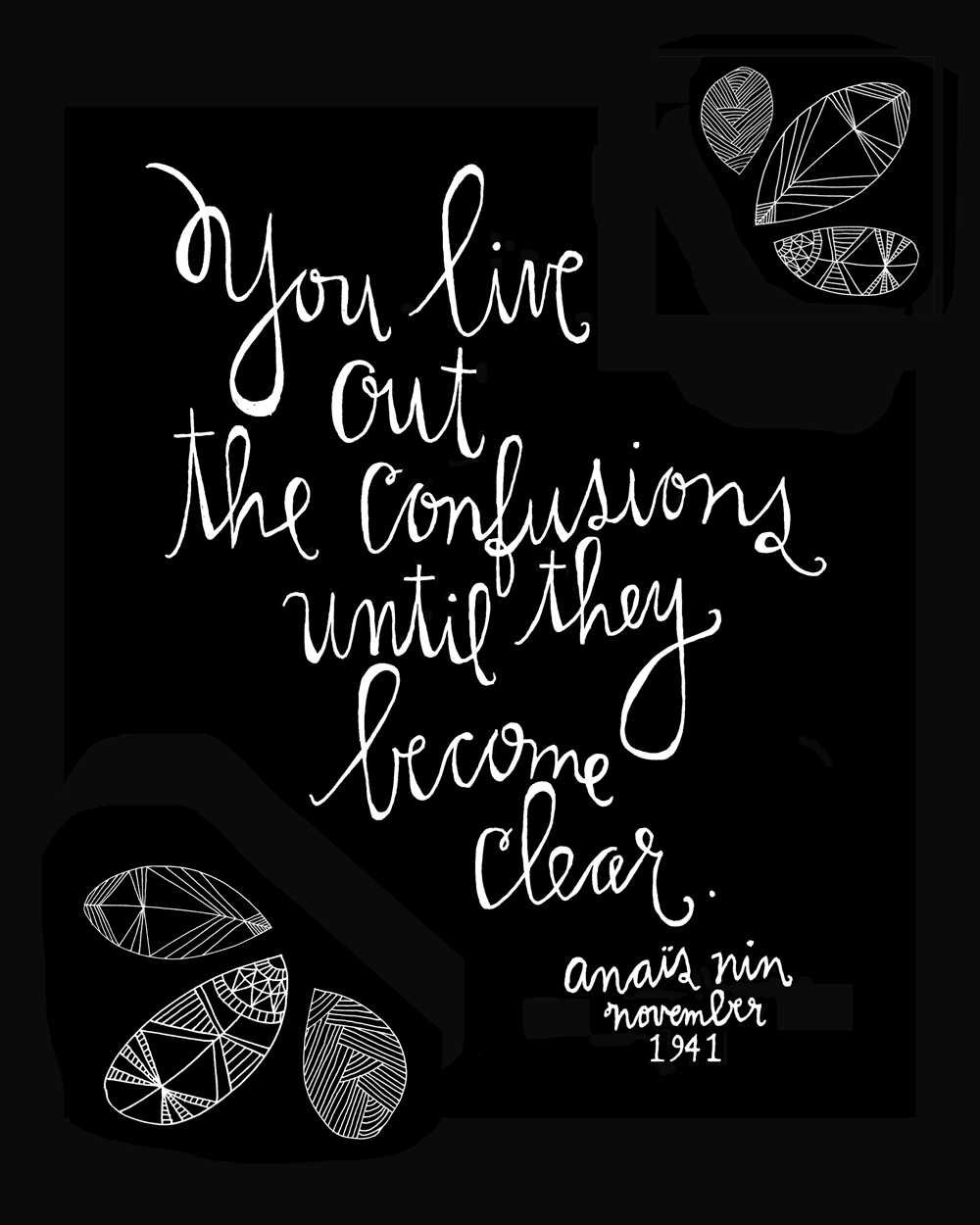
"To criticize and criminalize transformative creation and remix is, at best, itself an 'unresisting imbecility' and, at worst, an enormous hindrance to creative innovation."
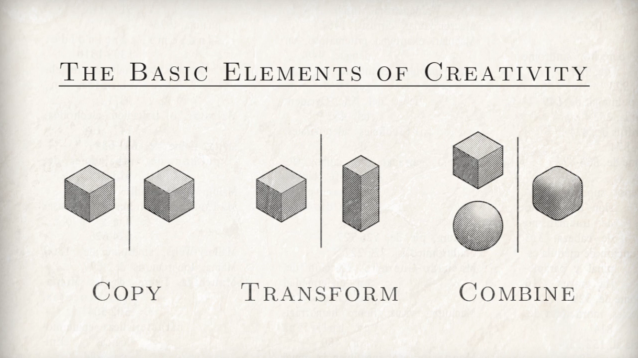
Reading Maria Popova's thoughts on transformation as authorship has me thinking about early childhood education, as always. If we have a great idea, or have a revelation about what will make something work or make something better, how much credit needs to go to other people? How much work have others done to get us to that breakthrough?
There are "aha" moments, of course - reading Jonah Lehrer's Imagine brought me on a journey thorough the interaction of nature and nurture in creativity and innovation. Reading the Brain Pickings post, I thought back to this TED talk by Kirby Ferguson about "Embracing the Remix":
Maybe we don't remember that we have seen or heard something before. Or maybe we're so inspired by an image or a sound and we want to put our own spin on it, sending a message about culture and our personal view on it.
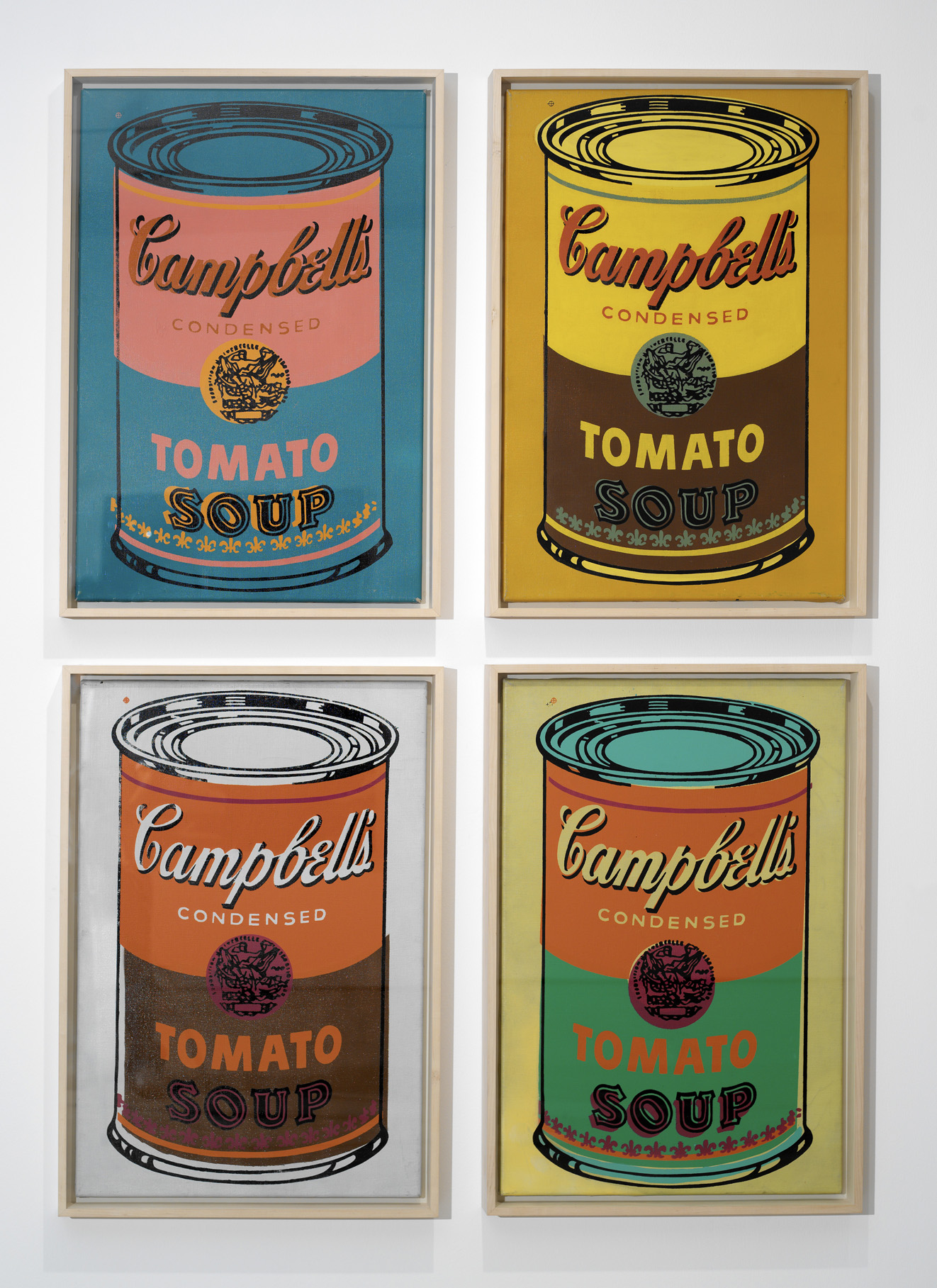
I wouldn't think of Warhol as copying - I think of this piece of art as fitting right into what Popova describes as "remix as a tool of innovation", along with Kirby Ferguson speaking above. Warhol's work takes an iconic piece of American culture and uses it to send a powerful message about consumerism - I doubt anyone could strongly argue that Andy Warhol was trying to capitalize on the popularity of tomato soup.
I am always listening to music, and I am always looking for more wonderful music to listen to. I put this mix together a year or two ago - I found myself listening to great covers of great artists and songs. It is a bit more literal than what Ferguson talks about above - but just wait until John Fogerty sings Leadbelly's Midnight Special. Its a different animal, but just as wonderful.
In education, I think one of the best things we can do to promote children's creativity is to set them up to remix great ideas. We can give children inspiration - from their past work, for example. When a child creates an intricate sculpture using a variety of materials from around the classroom, we might document that experience and encourage the child to revisit those materials, or the idea of creating a sculpture, by sharing the documentation with them.
We might read three different versions of Goldilocks and the Three Bears, and then encourage children to retell it orally or write and illustrate their own retelling of the story.
Perhaps one child has an idea, and we encourage children to explore that idea as a community - to expand, embellish, improve, make personal, the work of peers. One of my favorite classroom experiences was "the tower", made by M and then remixed tirelessly by everyone else.


I think about Lev Vygotsky's Zone of Proximal Development - that sweet spot for learning. In Vygotsky's words, “what the child is able to do in collaboration today he will be able to do independently tomorrow” (Vygotsky, 1934/1987, p. 211). In The Culture of Education , Jerome Bruner expands on this idea:
, Jerome Bruner expands on this idea:
"If pedagogy is to empower human beings to go beyond their 'native' predispositions, it must transmit the 'toolkit' the culture has developed for doing so. It is a commonplace that any math major in a halfway decent modern university can do more mathematics than, say, Leibniz, who 'invented' calculus - that we stand on the shoulders of the giants who preceded us" (Bruner, 1996, pp. 17-18).
I enjoy a good remix - I think great things inspire even greater things. One responsibility as educators, then, might be to really think about the environment, the materials, the sounds - all of the things that are going to be inspiring remixes from children. We can think about much of what we do as providing the raw material to children and stepping back to see how they remix it.