I wonder what it is about reflection that seems to come and go for me. For two years, this blog has been the perfect place for me to reflect; but in the past few months there have only been a few posts here and there, with most of them being photographs. Those are good ways to communicate what is happening in the classroom, but without a series of photos that tells a specific story, I am not reflecting on (or sharing with you) the exploration and words of the children in the classroom. There are often things I find in other places that I want to share with you, but that is not the whole purpose of the blg, either.
This autumn, I made a larger commitment to a class blog that is for parents and children. It has been successful for sharing our learning with parents and it is worth the daily work. That has been a very positive part of this semester, but one that has taken away from this work. Between the classroom work, my Master's degree, and continuing to try to improve my classroom practice, the moments of rest have been few and far between. I am about to have a 2 week break from teaching and my work as a student, and I am looking forward to that. I also feel that it is time for me to revisit my work on this blog - what am I sharing? Why am I doing it? Who is reading it? Why are people continuing to read the blog? What more would people like to see/read?
I hope that you will help to answer these questions so that I can come into the new year with new ideas that are both for me and for you. Would you help me with that? Let's figure out how to make this best for all of us.
I'll pop in for conversation in thecomments between now and 2011, and perhaps a post. But let's all have a rest, enjoy the holidays (however you may celebrate) and think back on a fantastic year.

Showing posts with label conversation. Show all posts
Showing posts with label conversation. Show all posts
13 December 2010

15 October 2010
Images
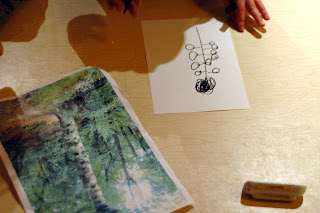
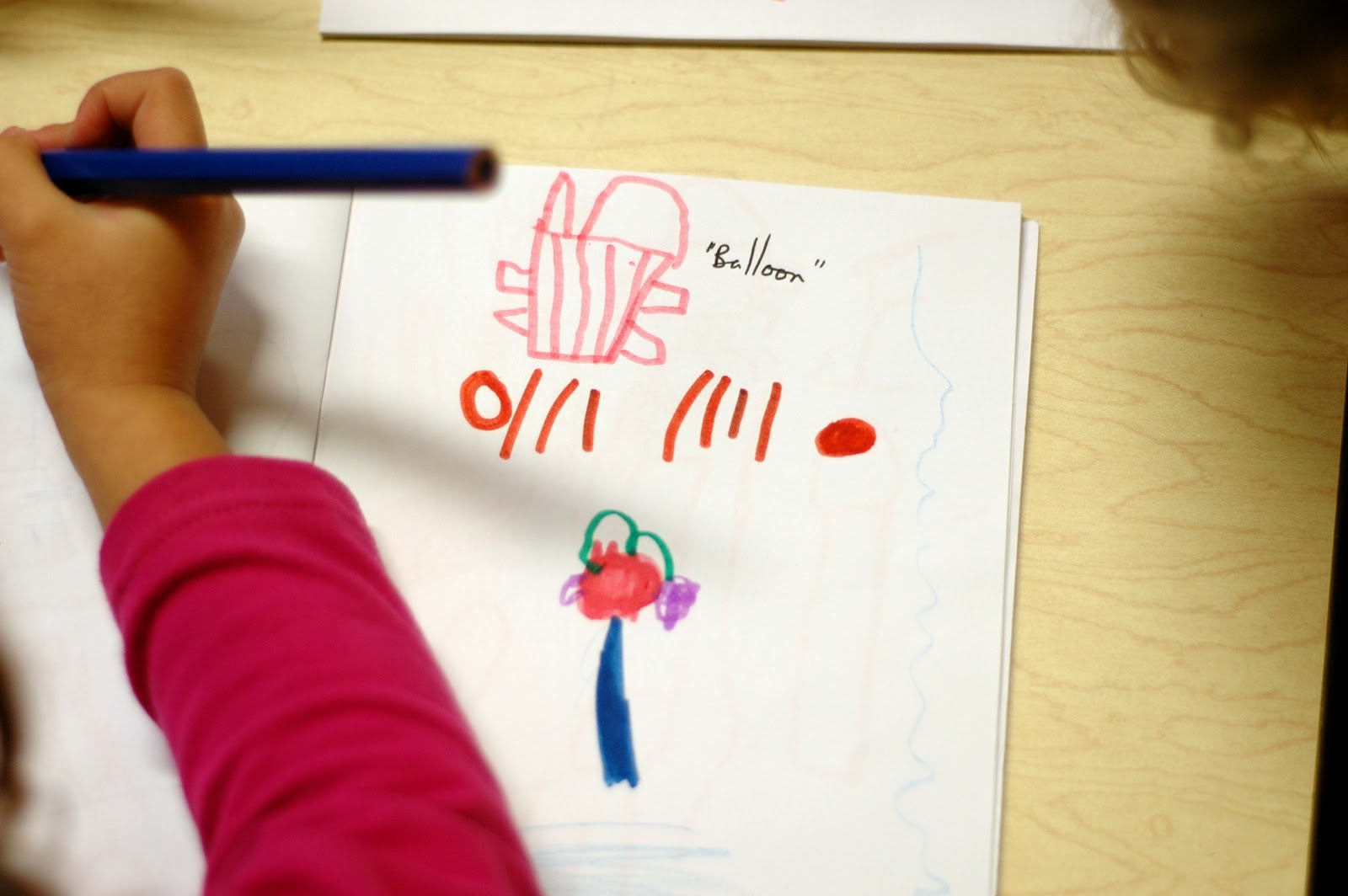
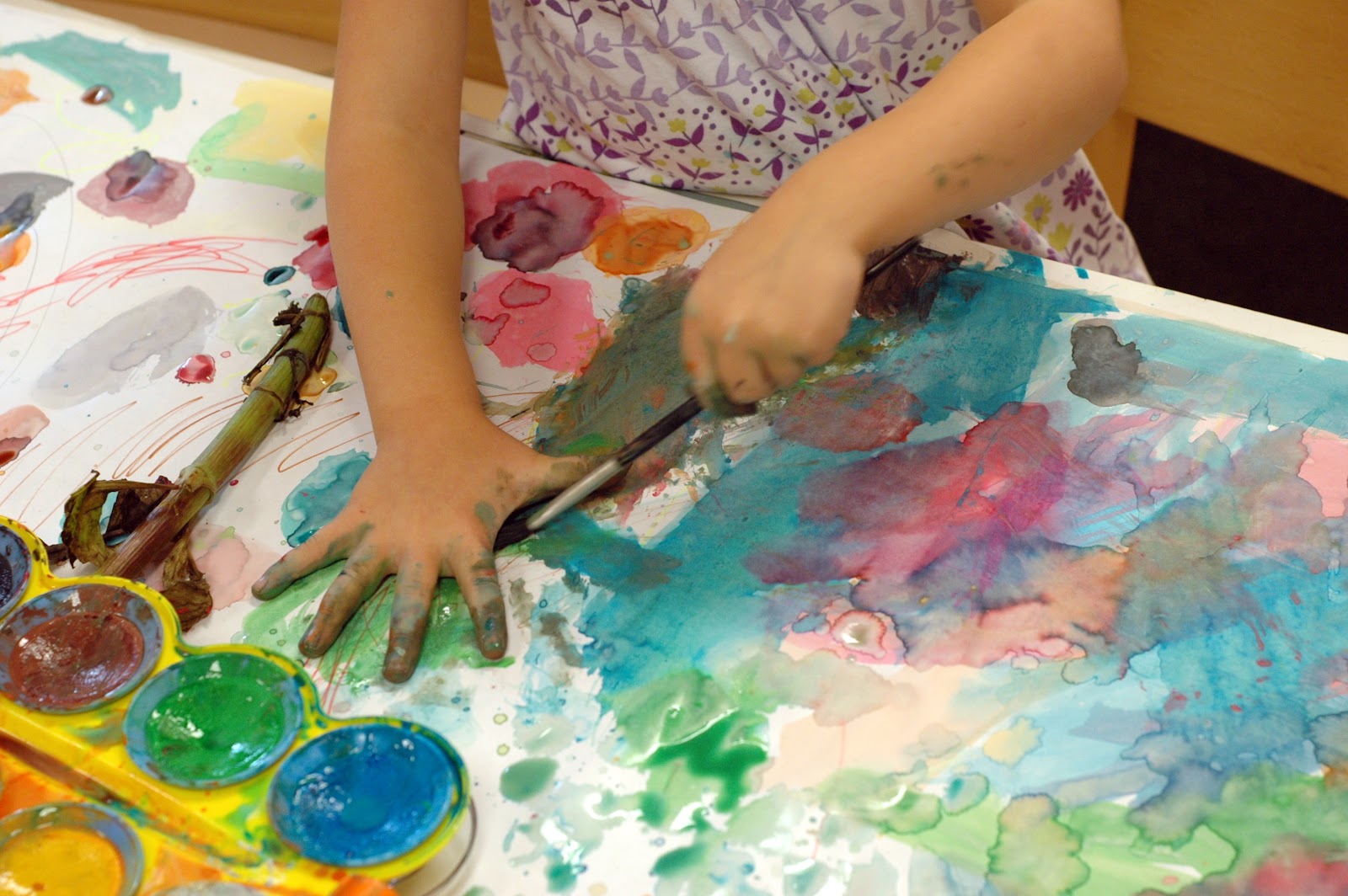
Today I am sharing the images that I shared at the Brussels Pecha Kucha night a few weeks ago. I was also going to share my notes, but since I did not really stick with them, I will try to let the images speak for themselves. If you have any questions, I'm happy to answer.








25 April 2010
Back to School
Returning to the classroom after three weeks away is a strange feeling. Especially when, during the third week, everyone else was there, and you were the only one gone. I'm constructing a to do list for the week right now involving our inquiry, the classroom environment, and planning, and I'm feeling a bit overwhelmed. But in 30 minutes, when the children come through the door, I think things will fall back into place.
Do you ever feel in a rut? Even the very best teachers must. What is challenging you this week?
Do you ever feel in a rut? Even the very best teachers must. What is challenging you this week?
15 December 2009
Kindergarten: Play or Preparation?
05 November 2009
Conversation Table
Can you imagine if there was a city that, with no mandates or laws or legislation from a higher authority, decided to commit part of their budget to Early Childhood Education? To open schools with a child centered focus for zero to six year olds?
And when federal and state legislation does get passed, mandating education for children from three to six, the city lets these federal schools open but continues their commitment to this child-centered education in their own schools? Although money is coming in from the state and the country, the city continues to commit money to its city-run preschools?
Oh, and the commitment from the city is 16% of the budget.
There is so much to be inspired by in Reggio Emilia, Italy; but the most inspiring thing for me is the commitment they have to high-quality early childhood education for every child in the city. We were lucky enough to hear about the history of education in Reggio Emilia from an array of people, from city officers to a man from the ministry of education and primary school teachers. The community respects what the municipal schools do, they have supported them for a long time, and continue to respect and support them. In fact, the community is interested in primary school children being able to get the same research-based, emergent education experience in primary school.
I wish I could think of somewhere in the states that did something like this. I'm not sure if I have expressed this here before, but for me, Head Start is not a commitment to high quality education for EVERY child - it is a commitment to children from low-income families in places where there is a Head Start facility. I student taught in a Head Start classroom on the Lower East Side in Manhattan, with knowledgable teachers. Just because a family has money and can send their child to Preschool doesn't mean they will; and just because they send their child to preschool doesn't mean it is a high-quality one. I appreciate the city of Reggio Emilia's real, true commitment to education. They are a mixed community -- 20% of the population are non-Italians. But the children and their families are welcomed into the schools with open arms, and a promise for a free education that will help children to be independent thinkers and problem solvers.
The fact that no one is in a "fancy" preschool in this city also tells us that children are more mixed in the classrooms - economically, culturally, socially. I think this is always a positive. In the states, you might not go to PreK, or you might go to a Head Start program, or you might go to daycare, or you might go to a private preschool, or you might go to public PreK. There are differences in who will be in those environments; and because of a commitment the city of Reggio Emilia made when they were small, each child gets an equal education, starting at birth.
I think that all children in the US are entitled to high quality education, but the problem comes from our lack of a definition for "high quality". I could continue to go on about the ideas that I believe make up high quality education, but perhaps that should be shared. I hope you will all contribute, no matter where you teach or what you believe. I think it is also interesting to hear from people who are not early childhood educators. What do you believe? What are we commiting to when we say "high quality"?
I'll start. Please use the comments to continue!
And when federal and state legislation does get passed, mandating education for children from three to six, the city lets these federal schools open but continues their commitment to this child-centered education in their own schools? Although money is coming in from the state and the country, the city continues to commit money to its city-run preschools?
Oh, and the commitment from the city is 16% of the budget.
There is so much to be inspired by in Reggio Emilia, Italy; but the most inspiring thing for me is the commitment they have to high-quality early childhood education for every child in the city. We were lucky enough to hear about the history of education in Reggio Emilia from an array of people, from city officers to a man from the ministry of education and primary school teachers. The community respects what the municipal schools do, they have supported them for a long time, and continue to respect and support them. In fact, the community is interested in primary school children being able to get the same research-based, emergent education experience in primary school.
I wish I could think of somewhere in the states that did something like this. I'm not sure if I have expressed this here before, but for me, Head Start is not a commitment to high quality education for EVERY child - it is a commitment to children from low-income families in places where there is a Head Start facility. I student taught in a Head Start classroom on the Lower East Side in Manhattan, with knowledgable teachers. Just because a family has money and can send their child to Preschool doesn't mean they will; and just because they send their child to preschool doesn't mean it is a high-quality one. I appreciate the city of Reggio Emilia's real, true commitment to education. They are a mixed community -- 20% of the population are non-Italians. But the children and their families are welcomed into the schools with open arms, and a promise for a free education that will help children to be independent thinkers and problem solvers.
The fact that no one is in a "fancy" preschool in this city also tells us that children are more mixed in the classrooms - economically, culturally, socially. I think this is always a positive. In the states, you might not go to PreK, or you might go to a Head Start program, or you might go to daycare, or you might go to a private preschool, or you might go to public PreK. There are differences in who will be in those environments; and because of a commitment the city of Reggio Emilia made when they were small, each child gets an equal education, starting at birth.
I think that all children in the US are entitled to high quality education, but the problem comes from our lack of a definition for "high quality". I could continue to go on about the ideas that I believe make up high quality education, but perhaps that should be shared. I hope you will all contribute, no matter where you teach or what you believe. I think it is also interesting to hear from people who are not early childhood educators. What do you believe? What are we commiting to when we say "high quality"?
I'll start. Please use the comments to continue!
Subscribe to:
Posts (Atom)
